Wholesale cookie packaging is no longer a simple choice between clear plastic and printed paper. Buyers must balance product protection, shelf appeal, shipping efficiency, and responsible material selection. The right Cookie Packaging Bags should protect crisp textures, prevent grease transfer, and present a clean retail experience.
Market evidence shows why this category deserves careful evaluation. Grand View Research valued the global flexible packaging market at approximately USD 268.97 billion in 2023 and expects continued growth through 2030. Smithers also identifies barrier performance, sustainability, and packaging efficiency as major forces shaping flexible packaging demand. These findings do not guarantee success for every bag. They show where purchasing decisions are becoming more demanding.
For wholesale buyers, small details can create large operational differences. A weak zipper may fail beside a warehouse heat source. A glossy finish may reveal fingerprints during packing. A narrow gusset can reduce usable capacity, even when the printed dimensions look impressive. This guide compares ten practical options by material, closure type, barrier strength, customization potential, minimum order quantity, and shipping performance. It also considers food-contact suitability and supplier consistency, which are often overlooked during price negotiations. Price alone is not a professional benchmark. A cheaper bag may increase breakage, returns, or repacking labor. That assumption deserves testing. Samples should be checked with real cookies, real labels, and realistic transport conditions before placing a large order. Some recommendations may still require adjustment for regional climate, product type, or retail channel. That is the honest limitation of any packaging shortlist.
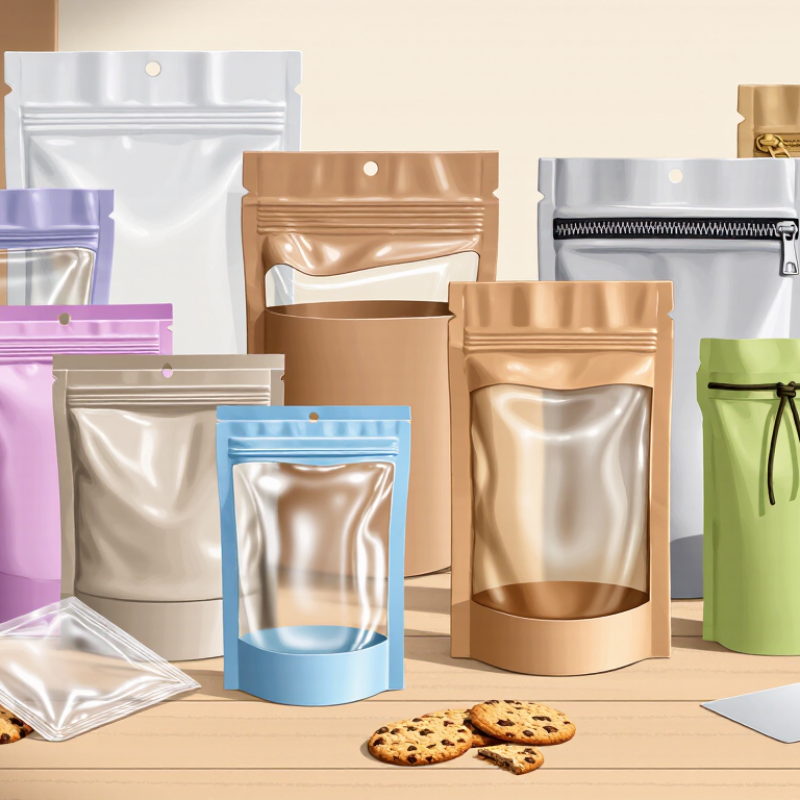
Wholesale cookie buyers need packaging bags that protect texture, support efficient filling, and fit the product’s selling price. Stand-up pouches offer strong shelf presence and useful storage space. Flat bags suit single cookies, sample packs, and narrow display racks. Gusseted bags hold larger assortments without crushing delicate edges.
Paper bags create a warm, handmade impression and work well for short distribution cycles. However, paper alone may absorb butter or moisture. A food-contact inner lining can improve protection, but buyers should verify its specifications with the supplier. Clear plastic bags display decoration clearly and usually provide dependable sealing. Resealable zipper bags help customers protect unfinished cookies at home. Heat-sealed bags often provide stronger tamper evidence.
Material choice should follow the cookie’s actual needs, not packaging fashion. Crisp cookies require moisture barriers, while soft cookies may need controlled air and grease resistance. Compostable-looking materials can be appealing, but performance varies widely. Request test samples before ordering thousands of units. Check seal strength, odor, print rub, and performance after storage. Small details matter.
A practical wholesale order should also consider bag dimensions, carton volume, filling speed, and storage temperature. I have seen attractive bags fail because their openings were too narrow for mechanical filling. Another common mistake is choosing a glossy finish that shows fingerprints during packing. Ask for batch consistency and written material information. No option is perfect; the best choice balances protection, appearance, production limits, and customer handling.
| No. | Cookie Packaging Bag Type | Common Material Structure | Typical Size Range | Closure or Seal | Best-Suited Cookie Applications | Wholesale Buying Advantages | Important Purchasing Considerations |
|---|---|---|---|---|---|---|---|
| 1 | Flat Heat-Seal Bag | Single-layer or laminated plastic film, such as OPP, CPP, or PET/PE | 70 × 100 mm to 180 × 250 mm | Heat-sealed top | Individually packed cookies, samples, favors, and small retail portions | Low material use Efficient packing Good print area | Requires a compatible heat sealer; confirm film thickness, seal strength, and food-contact suitability. |
| 2 | Stand-Up Zipper Pouch | Multilayer flexible laminate, commonly PET/PE or PET/metalized PET/PE | 120 × 180 mm to 220 × 300 mm | Press-to-close zipper with heat-sealed top | Assorted cookies, soft cookies, and resealable family-size packs | Reusable closure Shelf display Strong structure | Check zipper performance, pouch stability, gusset dimensions, and whether the barrier level matches the product shelf life. |
| 3 | Flat Bottom Box-Style Pouch | High-barrier laminated film with a reinforced flat base | 140 × 210 × 50 mm to 220 × 320 × 80 mm | Zipper and heat-sealed header | Premium cookie assortments and larger retail packs | Excellent shelf presence Large capacity Stable base | Usually uses more material than a flat pouch; verify filling volume, base width, and carton compatibility. |
| 4 | Gusseted Side-Seal Bag | Flexible plastic film or laminated barrier film with side gussets | 120 × 180 × 40 mm to 250 × 350 × 100 mm | Top heat seal, optional zipper | Bulky cookies, stacked cookies, and mixed-size products | Flexible capacity Good cube efficiency Suitable for automation | Specify the filled dimensions and gusset opening to reduce crushing and improve packing-line performance. |
| 5 | Cellophane Window Bag | Cellulose-based transparent film or cellulose film combined with a paper header | 90 × 140 mm to 180 × 260 mm | Fold-over header, adhesive seal, or twist tie | Gift cookies, bakery displays, handmade cookies, and visible assortments | Product visibility Premium appearance Gift-friendly | Confirm moisture-barrier requirements; transparent cellulose packaging may provide less protection than high-barrier laminates. |
| 6 | Paper Bakery Bag with Window | Kraft or white paper with a transparent cellulose or plastic window | 100 × 150 mm to 220 × 320 mm | Fold-over flap, adhesive strip, or sticker | Fresh bakery cookies, short-term takeaway sales, and rustic-style packaging | Paper-based appearance Easy labeling Lightweight | Paper bags are generally better for short-term presentation than long-term moisture protection; use an inner liner when needed. |
| 7 | Metalized High-Barrier Bag | Printed PET or BOPP laminated to metalized PET and a sealant layer such as PE or CPP | 100 × 150 mm to 250 × 350 mm | Heat seal, optional zipper | Crisp cookies requiring improved protection from moisture, oxygen, and light | Strong barrier Light protection Extended freshness potential | Barrier performance depends on the complete laminate and seals; request oxygen and water-vapor transmission specifications. |
| 8 | Compostable or Biodegradable Film Bag | Certified compostable film, commonly based on materials such as PLA blends or cellulose-based films | 80 × 120 mm to 200 × 300 mm | Heat seal or adhesive closure | Short- to medium-shelf-life cookies marketed with lower-impact packaging claims | Sustainability positioning Lightweight Custom-print capable | Request valid certification for the intended market and verify heat, humidity, shelf-life, and disposal conditions. |
| 9 | Resealable Slider Bag | PE film, multilayer PE, or laminated flexible film with a slider closure | 150 × 220 mm to 280 × 380 mm | Slider zipper with top heat seal | Large cookie packs, household portions, and products opened repeatedly | Easy opening Repeated use Convenient handling | Test slider alignment, closure consistency, and drop resistance with the actual cookie weight and shape. |
| 10 | Paper-Laminated Window Pouch | Printed paper laminated with PE, metallized film, or another barrier layer, often with a clear window | 120 × 180 mm to 230 × 330 mm | Heat seal, zipper, or adhesive strip | Premium retail cookies, gift assortments, and packaging requiring both paper texture and barrier protection | Premium presentation Custom graphics Improved protection | Confirm whether the structure is recyclable in the target market, because mixed-material laminates may require special collection systems. |
Note: Dimensions are common purchasing ranges rather than fixed standards. Final bag selection should be based on cookie size, weight, moisture sensitivity, required shelf life, filling equipment, sealing method, and applicable food-packaging regulations.
Choosing cookie bags for wholesale orders requires more than attractive printing. Start with barrier performance. Cookies lose their crisp texture when moisture enters the package. Compare moisture resistance, oxygen protection, light control, and seal strength. A laminated structure often protects delicate cookies better than a single thin film. However, barrier layers can affect recyclability and disposal options.
Size must match the product. A bag with too much empty space can make cookies look undersized. An overly tight bag may cause breakage during packing and transport. Check gusset depth, opening width, and filling speed on your actual equipment.
Stand-up pouches, flat bags, pillow bags, window bags, and resealable zipper bags suit different sales formats. The “best” option depends on cookie shape, count, and shelf-life target.
I once selected a bag mainly for its clean appearance. It sealed poorly on a humid production day. That mistake taught me to test packaging under real warehouse conditions.
Request samples and run drop, compression, seal, and shelf-life checks before placing a large order. Inspect the inner surface for odor transfer, especially with butter-rich cookies. Confirm food-contact documentation, material specifications, and consistent thickness from batch to batch. Small details matter. A package can look premium yet fail at the seal.
For wholesale purchasing, cookie packaging bags must balance protection, appearance, and unit cost. Moisture resistance matters most for crisp cookies. Strong seals prevent crumbs from escaping during transport. I assess each bag by material thickness, closure quality, filling speed, and storage conditions.
Kraft stand-up pouches offer a natural appearance and stable shelf placement. Clear polypropylene bags display cookie colors and decorative toppings clearly. Flat poly bags suit high-volume packing and require little storage space. Gusseted bags hold larger cookies without crushing their edges. Windowed paper bags combine printed surfaces with product visibility. Resealable zipper pouches support repeated opening at home. Heat-sealable laminated bags provide stronger barriers against air and humidity. Cellophane-style bags create a crisp presentation for gift assortments. Compostable film bags may suit sustainability-focused buyers, but performance needs testing. Metallic barrier bags protect sensitive cookies from light and extended moisture exposure.
I once focused too heavily on appearance and underestimated sealing speed. That mistake increased labor costs. Wholesale buyers should request samples before placing large orders. Test filled bags after stacking, vibration, and overnight storage. Check whether the zipper closes evenly. Small leaks can ruin a full carton. Printing accuracy also deserves attention, especially across large quantities. Food-contact documentation, clear specifications, and consistent dimensions support dependable purchasing decisions. Some attractive bags still feel weak in real handling. That is worth remembering.
How to Match Packaging Bags with Cookie Products
Wholesale buyers should match the bag to the cookie’s texture, size, and selling environment. Crisp cookies need strong moisture protection, especially during long storage or humid transport. A heat-sealable flat bag works well for small biscuits and sample packs. Soft cookies need more space, because compression can damage their edges. Stand-up pouches with gussets offer better protection and shelf presence. Large cookies may need wider openings to prevent cracking during packing.
The material also affects customer experience. A clear window helps buyers inspect the product, but it can reduce protection from light. A matte surface feels premium, although fingerprints may show easily. For assorted cookies, use sturdy bags with dividers or separate inner wraps. This prevents chocolate pieces from marking pale biscuits. I once chose a bag mainly for its attractive finish. It looked excellent, but the seal was difficult to close quickly. That mistake changed how I test packaging.
Tips: Test filled bags before ordering in bulk. Check seal strength, zipper movement, corner space, and stacking performance. Leave a small headspace above the cookies. Too little space causes breakage; too much makes the package look unfinished. Compare samples after several days in normal storage conditions. Packaging decisions are rarely perfect. A practical trial often reveals problems that product photos hide.
Wholesale buying requires more than comparing the lowest unit price. Cookie packaging bags should match the product’s size, texture, and expected shelf period. For crisp cookies, moisture resistance is essential. For soft cookies, seal strength and suitable internal space matter more.
Ask suppliers for material details, food-contact documentation, sample bags, minimum order quantities, and production lead times. A reliable supplier should explain these points clearly, not only send a price sheet.
Customization can include bag dimensions, printing, closure type, window placement, and pack quantity. Test printed samples before approving a large order. Small color changes may affect the final appearance.
Storage also deserves careful planning. Keep empty bags away from sunlight, heat, dust, and strong odors. Store them flat in sealed cartons, with clear batch labels. Do not compress delicate bags under heavy stock.
I have seen buyers focus on attractive artwork and overlook warehouse conditions. That decision can create avoidable waste. A cheaper bag is not always cheaper after damaged inventory and repacking costs.
Tips:
Compare total landed cost, not unit price alone. Test seals with filled cookies. Check whether the bag fits your packing equipment. Review one real sample under normal storage conditions. Leave some room for mistakes; specifications sometimes change during production.
Choose a bag with a strong moisture barrier. Heat-sealed flat bags work well for small biscuits and sample packs. Humid transport can quickly soften crisp cookies.
Use gusseted or stand-up bags with extra space. Compression may damage soft edges. Leave modest headspace above the cookies.
Paper bags create a warm, handmade impression. However, paper may absorb butter or moisture. An inner lining can improve protection.
Clear bags display decoration and product details clearly. They usually seal reliably. Light-sensitive cookies may need additional protection.
Zippers help customers protect unfinished cookies at home. Heat seals often provide stronger tamper evidence. Some packages can use both features.
Request filled samples first. Check seal strength, zipper movement, odor, print rub, and corner space. Small tests reveal expensive problems.
Use sturdy bags with dividers or separate inner wraps. Chocolate pieces can mark pale biscuits during transport. Separation keeps the assortment cleaner.
Match the opening to the cookie size and filling equipment. Narrow openings can slow mechanical filling or crack large cookies. Measure before ordering.
Matte finishes can feel premium, but fingerprints may show during packing. Glossy finishes look bright, yet they can also reveal handling marks. I once chose appearance first, and the seal became difficult to close.
Compare samples after several days in normal storage. Check stacking, temperature exposure, and package shape. Product photos hide problems.
Choosing the right Cookie Packaging Bags is essential for wholesale buyers who need to balance product protection, presentation, cost, and shipping efficiency. Common options include clear plastic bags, kraft paper bags, stand-up pouches, gusseted bags, window bags, resealable bags, and heat-sealable formats. Each type offers different advantages in terms of visibility, durability, moisture resistance, convenience, and shelf appeal. Before making a purchase, buyers should compare material quality, bag size, closure style, sealing performance, printing options, and compatibility with automated or manual packing processes.
The best bag depends on the cookie product. Soft or filled cookies may require stronger moisture and grease barriers, while delicate cookies need packaging that reduces breakage during transport. Wholesale purchasers should also consider minimum order quantities, customization lead times, storage space, and protection from heat, humidity, and sunlight. Ordering several sample styles before placing a large order can help confirm fit, appearance, and performance. A practical purchasing strategy combines reliable materials, suitable dimensions, efficient logistics, and packaging that supports both product freshness and customer convenience.
