
Biodegradable Bags For Packaging are designed to break down through biological processes under suitable conditions. They are made from materials such as plant-based polymers, modified natural fibers, or blends. The exact composition matters. A bag made from one material may behave very differently from another, even when both carry a biodegradable label.
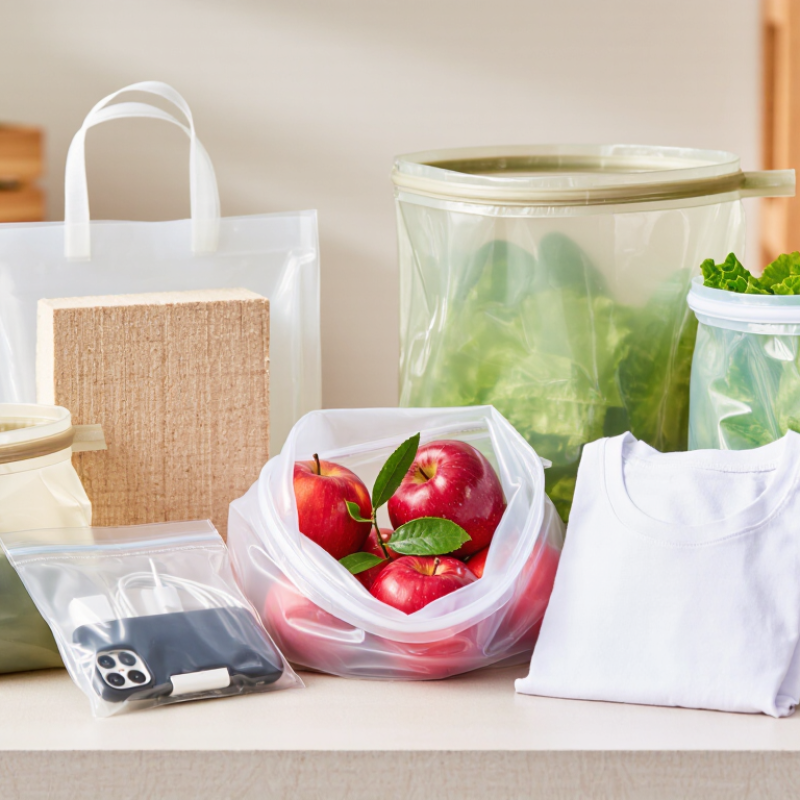
In daily use, these bags can package groceries, clothing, produce, or small shipping items. Picture a thin produce bag holding apples: its strength, moisture resistance, and shelf life still matter before disposal. Biodegradability alone does not guarantee that a bag will break down quickly in a backyard compost bin, soil, or landfill. Some products need controlled industrial composting conditions, and others may require different handling. That distinction can be easy to miss.
For buyers, useful checks include the material description, disposal instructions, and any relevant third-party certification. Packaging teams should also consider whether the bag protects the product and fits existing collection systems. A poor fit can create waste, even when the material sounds promising. That is worth reflecting on. No single bag is right for every product or disposal route. This guide explains what biodegradable packaging bags are, how they differ from compostable options, and what practical details to check before choosing them. The term is helpful, but it is not a complete account of a product’s environmental impact.
Biodegradable packaging bags are designed to be broken down by microorganisms under suitable conditions. Unlike conventional plastic, they may use plant-based or microbe-produced materials. “Biodegradable” does not mean a bag vanishes quickly in every setting. Soil, temperature, moisture, and waste treatment all affect the process. The label alone is not enough.
Common materials include starch blends, polylactic acid (PLA), polyhydroxyalkanoates (PHA), and cellulose. Starch, often sourced from crops such as corn, can add flexibility when blended with other polymers. PLA is typically made from fermented plant sugars and can form clear, firm films. PHA is produced by microorganisms and may be used in flexible packaging. Cellulose, found in plant fibers, can create thin films or coatings. Each behaves differently. That matters.
A bag’s material mix shapes its strength, feel, and end-of-life options. For example, a thin produce bag may tear more easily than a thicker mailer, while a clear film may need specific conditions to break down. Compostable bags are a related category, but they generally require defined composting conditions. In practice, packaging claims should match the available disposal route. A confusing point remains: a bag can be made from renewable feedstocks without breaking down readily outdoors. That distinction deserves careful attention.
Biodegradable packaging bags are bags made from materials that microorganisms can break down under suitable environmental conditions. The rate and extent of breakdown depend on the material, bag formulation, and disposal environment; the term alone does not specify a timeframe or guarantee that a bag will biodegrade in home compost, soil, or the natural environment.
| Material | Typical source | Common packaging uses | Key characteristics | Important disposal note |
|---|---|---|---|---|
| PLA (polylactic acid) | Fermented plant sugars or starch, commonly from crops such as corn or sugarcane | Light-duty bags, liners, and flexible packaging blends | Can provide clarity and stiffness; often blended with other polymers to improve flexibility and toughness. | Many PLA packaging products require controlled industrial composting conditions. Do not assume they will break down quickly in home compost or the natural environment. |
| PBAT (polybutylene adipate terephthalate) | Usually produced from fossil-based chemical feedstocks; some feedstock components may be bio-based | Flexible bags, compostable liners, and blends with starch or PLA | Flexible and relatively tough, making it useful for improving the handling properties of some compostable blends. | Biodegradability depends on the complete formulation and conditions. A bag containing PBAT is not automatically suitable for every composting system. |
| Starch-based blends | Plant starch, commonly from corn, potato, or other starch-rich crops, combined with other materials | Shopping bags, produce bags, and compostable waste liners | Starch can be renewable and can support biodegradation; blending is often used to improve strength and water resistance. | Performance and disposal suitability vary by blend. Moisture resistance and compostability should be checked for the finished bag. |
| PHA (polyhydroxyalkanoates) | Polyesters made by microorganisms, typically through microbial fermentation of carbon sources | Flexible packaging films and bags, often as part of a blend | A family of bio-based polymers whose properties vary with composition; some grades can biodegrade in a wider range of environments than conventional plastics. | Breakdown rates differ by PHA type, product design, and environment. Verify claims for the specific finished product and disposal setting. |
| Cellulose-based films | Cellulose from plant materials such as wood pulp or cotton | Lightweight wraps, pouches, and specialty packaging films | Plant-derived and capable of forming transparent films; coatings or additives may be used to improve barrier or sealing properties. | Coatings, inks, and other components affect the finished product's compostability. Check the product-specific certification and local collection rules. |
They can hold apples, bread, takeaway meals, folded shirts, or small household goods. Some sellers also use them as mailers or inner wraps.
No. Their breakdown depends on temperature, moisture, oxygen, and time. Looks can mislead. A garden bin may not provide the right conditions.
No. Some certified bags require controlled industrial composting, often at temperatures around 55–60°C. Check the disposal label and local facility rules.
It means the material was tested under specified managed conditions. One common test framework requires at least 90% biodegradation within six months. That does not guarantee the same result outdoors.
Not necessarily. Some local facilities do not accept these bags. Ask the waste service before placing one in a compost collection bin.
It depends on the material and bag thickness. A damp bag carrying heavy produce may tear, so match its strength to the contents.
Not always. Disposal access matters, and the bag may cause problems if it enters the wrong waste stream. A reusable option may suit some jobs better.
Check the material, certification, weight capacity, and local disposal options. A brief label can be easy to misread. I would verify the details before switching.
Biodegradable Bags For Packaging are designed to break down through the activity of microorganisms under suitable conditions. They may be made from plant-based materials, biodegradable polymers, or blends that balance flexibility, strength, and barrier performance. Their breakdown process depends on factors such as temperature, moisture, oxygen, and the presence of microorganisms, so the time and extent of decomposition can vary.
These bags are used for food, retail, shipping, and other packaging needs, but they are not automatically suitable for every product or disposal system. They can help reduce reliance on conventional plastics and may leave less persistent waste when handled appropriately. However, they may cost more, have different durability or storage requirements, and may not decompose effectively in ordinary outdoor settings or landfills. Biodegradation standards and disposal labels therefore matter: users should follow the stated conditions, such as industrial composting where required, rather than assuming a bag will break down in any environment.
