Top Biodegradable Packaging Bags Manufacturers Worldwide?

Time:2026-09-18 Author:Sophia
0%

Choosing the top Biodegradable Packaging Bags manufacturers worldwide requires more than comparing glossy product photographs. A reliable assessment must examine materials, factory experience, testing evidence, and end-of-life performance. A bag made from PLA, starch blends, or certified compostable polymers may perform differently under heat, moisture, and industrial composting conditions. The details matter.

Dr. Ramani Narayan, a respected polymer scientist and biodegradable materials specialist, has stated, “Biodegradability is not a property of a material; it is a property of a material in a specific environment.” This principle guides the manufacturers discussed in this article. Strong suppliers should explain where their bags decompose, how quickly that process occurs, and whether independent laboratories verify their claims. Certifications, traceable raw materials, production capacity, and consistent sealing strength also deserve careful attention.

Real-world use reveals the gaps. A grocery bag may carry vegetables safely in a humid warehouse, yet weaken during transport. A mailer may look sustainable, but fail if local composting facilities cannot process it. Some manufacturers communicate these limits clearly. Others rely on vague environmental language, which should invite closer review. No supplier is perfect.

This guide compares leading global manufacturers through practical criteria, including product performance, customization, quality control, certifications, and supply reliability. It also considers regional availability and application-specific needs. The goal is not to promote a single “greenest” company. It is to help buyers make informed decisions, reduce misleading claims, and select Biodegradable Packaging Bags that match real operating conditions.
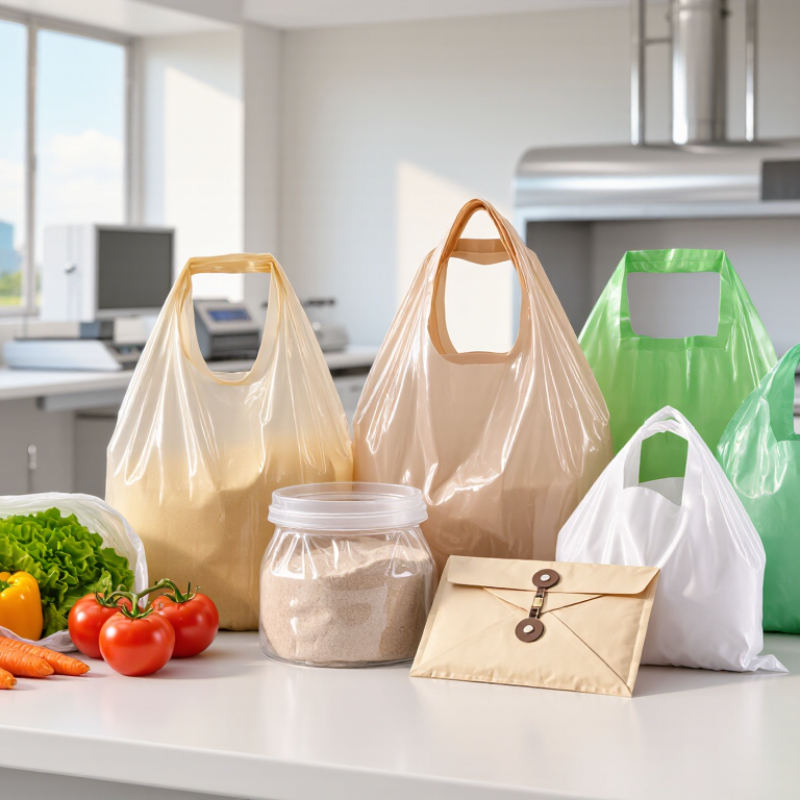
Top Biodegradable Packaging Bags Manufacturers Worldwide?

What Are Biodegradable Packaging Bags?

Biodegradable packaging bags are flexible containers designed to break down through microorganisms. They may use starch blends, cellulose, or certified biodegradable polymers. Moisture, oxygen, temperature, and microbial activity influence this process. A bag that decomposes in an industrial composting facility may not break down in a backyard pile. This distinction matters. The term does not mean “disappears anywhere.” Some materials fragment first, then biodegrade under controlled conditions. Buyers should check testing methods, decomposition periods, and disposal instructions before selecting a bag.

In practical packaging evaluations, teams examine thickness, seal strength, and flexibility. A thin produce bag may suit light vegetables, while heavier goods need stronger seams. Cold storage and condensation can weaken poor designs. Small details count. Clear labeling helps workers separate biodegradable items from ordinary plastic, although confusion still occurs. Reliable manufacturers should provide traceable material information and laboratory test documents. Certifications can support trust, but they do not replace checking local waste systems. It is easy to overstate the environmental benefit. These bags may cost more and may not perform like conventional plastic in every application. That trade-off needs testing, not marketing language.

How Are Biodegradable Packaging Bags Manufactured?

Biodegradable packaging bags begin with polymer selection, not bag forming. Manufacturers commonly use starch blends, polylactic acid, polyhydroxyalkanoates, or certified compostable additives. Feedstock moisture matters. Too much moisture can weaken the film.

Pellets are dried, weighed, and blended in a controlled compounding line. Heat then melts the mixture inside an extruder. The molten material passes through a narrow die, forming a continuous tube or flat film. Air cooling stabilizes the film before rollers stretch and flatten it. Machines later add printing, cutting, and heat sealing. Production teams test thickness, tensile strength, seal strength, and controlled disintegration. EN 13432 and ASTM D6400 testing can assess industrial compostability, but “biodegradable” does not always mean home compostable.

European Bioplastics reported global bioplastics production capacity at about 2.18 million tonnes in 2023. Packaging represented roughly 48% of that capacity. The OECD’s Global Plastics Outlook also found that only 9% of plastic waste was recycled globally in 2019. These figures explain the manufacturing interest, yet they expose a difficult truth: replacing conventional plastic alone cannot solve waste problems. A bag may need specific heat, humidity, and microorganisms to break down. Poor labeling can mislead users. Even experienced manufacturers still balance barrier performance, renewable content, production speed, and end-of-life conditions. The process is improving, but it is not flawless.

Top Biodegradable Packaging Bags Manufacturers Worldwide? - How Are Biodegradable Packaging Bags Manufactured?

Manufacturer Region Common Bag Types Primary Materials Typical Manufacturing Process Typical Film Thickness Key Performance Characteristics Common Compliance Requirements Typical End Uses
East Asia Shopping bags, courier bags, produce bags, refuse sacks PLA/PBAT blends, thermoplastic starch, PBAT-based compounds Resin compounding, drying, blown-film extrusion, printing, heat sealing, bag conversion 15–80 micrometres Good flexibility, tear resistance and sealability; performance depends strongly on blend formulation and humidity Industrial-compostability requirements, food-contact rules where applicable, heavy-metal limits and labeling regulations Retail, e-commerce fulfillment, food service and household waste collection
Western Europe Organic-waste liners, carrier bags, bread bags, food pouches Certified compostable polyester blends, PLA, starch-based compounds and cellulose films Material drying, extrusion or film casting, surface treatment, flexographic printing and automated conversion 12–70 micrometres Consistent dimensions, controlled oxygen and moisture permeability, and strong focus on compostability documentation EN 13432 or equivalent compostability criteria, applicable food-contact legislation and packaging-waste rules Separate food-waste collection, retail packaging and fresh-food applications
North America Garment bags, mailers, food-service bags, compostable can liners PBAT/PLA blends, PHA materials, starch blends and coated paper-cellulose structures Compounding, blown-film extrusion, adhesive or extrusion coating, printing and die-cut conversion 18–100 micrometres Wide range of stiffness and puncture resistance; products are often customized for municipal or commercial composting systems ASTM D6400 or ASTM D6868 where relevant, applicable FDA food-contact requirements and regional labeling laws Food service, institutional waste handling, apparel shipping and commercial composting
South Asia Retail carry bags, agricultural bags, garment packaging and waste liners Starch blends, PLA/PBAT compounds, cellulose-based films and recycled paper combinations Blending, extrusion, film blowing, flexographic printing, punching and ultrasonic or heat sealing 20–90 micrometres Cost-efficient production, adjustable opacity and handle strength; moisture protection varies by material National compostability standards, plastic-product restrictions, food-contact rules and producer-responsibility obligations Retail distribution, agriculture, apparel and municipal waste management
Southeast Asia Food bags, takeaway bags, shopping bags and compostable liners Cassava or other starch compounds, PLA, PBAT and cellulose-based laminates Starch preparation, polymer compounding, blown-film extrusion, printing, lamination and bag making 15–75 micrometres Good flexibility and heat-seal performance; humidity control is important during storage and production Local compostability certification, food-contact requirements, migration testing and packaging labeling rules Food retail, hospitality, food delivery and organic-waste collection
Latin America Produce bags, shopping bags, refuse sacks and agricultural packaging Starch-based polymers, PLA/PBAT blends, PHA and paper-cellulose structures Pellet drying, extrusion, film formation, printing, perforation and heat-sealed conversion 18–85 micrometres Designed for moderate load-bearing, printability and compatibility with regional composting initiatives Applicable national standards, compostability testing, food-contact compliance and environmental claims substantiation Fresh produce, supermarkets, agriculture and waste collection
Oceania Compost caddy liners, retail bags, food-service bags and courier mailers Certified compostable polyester blends, starch compounds, PLA and cellulose films Film extrusion or casting, printing, slitting, bag conversion and quality testing for compostability claims 15–80 micrometres Emphasis on certified end-of-life pathways, reliable sealing and resistance to food moisture AS 4736 or AS 5810 where applicable, food-contact regulations and state-level environmental labeling rules Kitchen caddy systems, food service, retail and courier packaging
Manufacturing note: Biodegradable packaging bags are generally manufactured by drying and compounding bio-based or biodegradable resin pellets, forming film through blown-film extrusion or casting, printing the film, and converting it into bags by cutting, punching and heat sealing. “Biodegradable” does not automatically mean “home compostable”; the applicable certification and disposal conditions should be verified for each product.

Which Materials Are Used in Biodegradable Packaging Bags?

Biodegradable packaging bags depend on material choice, not marketing language. Common options include polylactic acid (PLA), polyhydroxyalkanoates (PHA), starch blends, cellulose films, and paper-based laminates. PLA usually comes from fermented corn or sugarcane sugars. It can provide clarity and stiffness, but many PLA bags need industrial composting conditions. They may not break down effectively in a backyard compost pile.

PHA is produced by microorganisms and can biodegrade in more environments than PLA, depending on its formulation. However, supply remains smaller and costs can be higher. Starch-based bags feel softer and often suit lightweight shopping applications. Their moisture resistance is weaker. Cellulose films offer a crisp, paper-like touch, while coated paper bags can improve strength and printability. The coating matters greatly.

European Bioplastics and the Nova Institute reported global bioplastics production capacity of about 2.18 million tonnes in 2023, with capacity projected to reach roughly 7.43 million tonnes by 2028. This growth does not mean every bag is home-compostable. That assumption is risky. EN 13432 and ASTM D6400 testing can verify industrial compostability, but real facilities, collection systems, ink, adhesives, and thickness still influence results. A reliable manufacturer should provide resin composition, certified test results, barrier data, and disposal instructions. Buyers should also check tensile strength and seal performance under humidity. A bag that biodegrades quickly but leaks during transport is not a practical solution.

Which Materials Are Used in Biodegradable Packaging Bags?

Representative fossil-derived feedstock share of common biodegradable packaging materials

Starch, cellulose, PLA, and PHA are generally produced from renewable biological feedstocks. PBAT is a fossil-derived biodegradable polyester and is commonly blended with starch, PLA, or other materials to improve flexibility and sealing performance. Actual packaging bags may contain additives, coatings, or blends, so the composition can differ from the primary material shown here.

Data basis: representative primary-material feedstock origin, not finished-product composition or market share. References: European Bioplastics, Bioplastics Standards.

What Makes a Biodegradable Packaging Bag Manufacturer Reliable?

A reliable biodegradable packaging bag manufacturer makes evidence visible. OECD’s Global Plastics Outlook reports that packaging creates about 40% of global plastic waste. This pressure increases the need for measurable solutions, not attractive claims. A dependable supplier identifies the polymer source, additives, inks, and factory location. It also explains whether the bag is biodegradable, industrially compostable, or home compostable. These terms are not interchangeable.

Claims need proof. Look for independent testing against standards such as EN 13432 or ASTM D6400, where relevant. The report should show test conditions, time limits, and remaining residues. European Bioplastics’ 2024 market data estimates global bioplastics production capacity at roughly 2.5 million tonnes. Growth is significant, but capacity alone does not prove responsible manufacturing. A trustworthy producer provides batch records, food-contact documents when needed, and traceability from raw material to shipment. Samples should match mass production in thickness, sealing strength, odor, and tear resistance.

Production experience appears in small details. The supplier should explain humidity control, storage periods, quality checkpoints, and failure rates. It should share realistic lead times, not perfect promises. Even careful manufacturers can face weak seals or unstable composting results. That gap matters. Ask how complaints are investigated and corrected. Request recent laboratory reports rather than recycled certificates. A strong partner also admits when a bag cannot meet a use case, especially for oily, wet, or long-term storage applications. Reliability is built through repeatable data, clear limitations, and consistent performance under actual handling conditions.

How Do Leading Manufacturers Compare Worldwide?

Leading biodegradable packaging bag manufacturers differ less by slogans than by measurable performance. European Bioplastics and nova-Institute reported about 2.18 million tonnes of global bioplastics production capacity in 2023. Packaging represented roughly 43% of that capacity. This growth is encouraging, but it does not prove every bag will biodegrade in ordinary soil.

Worldwide comparison requires practical testing. European manufacturers often emphasize EN 13432 compliance and industrial composting trials. North American suppliers commonly highlight ASTM D6400 testing. Asian producers may compete through larger output, flexible film structures, and lower conversion costs. However, certification scope matters. A compostable bag may require controlled heat, moisture, and microbial activity. OECD’s Global Plastics Outlook states that only 9% of plastic waste was recycled globally in 2019. That figure exposes a difficult gap between product claims and waste-system capacity. Factory audits, batch traceability, tensile-strength results, and migration testing deserve equal attention. I would not rank manufacturers by price alone. That shortcut can create weak bags, higher breakage, and more waste.

Tips: Ask for current certificates, not copied logos. Check whether testing covers the finished bag, including handles and inks. Request pilot samples for humid storage, cold transport, and repeated loading. Compare delivery reliability and local composting access. Data can still be incomplete, so record assumptions before choosing a supplier.

FAQS

What are biodegradable packaging bags?

They are flexible bags designed to break down through microorganisms. Materials may include starch blends, cellulose, or certified biodegradable polymers.

Do biodegradable bags disappear anywhere?

No. Moisture, oxygen, temperature, and microbes affect decomposition. Some bags need industrial composting conditions, not a backyard pile.

What should buyers check before choosing these bags?

Check testing methods, decomposition periods, disposal instructions, and local waste systems. The label alone may not tell the whole story.

How do packaging teams evaluate bag performance?

They test thickness, seal strength, flexibility, tear resistance, and odor. Cold storage and condensation can expose weak designs.

Can one biodegradable bag fit every product?

No. Thin bags may suit light vegetables. Heavier or oily products need stronger seams and careful compatibility testing.

How can buyers identify a reliable manufacturer?

Look for traceable material information, factory details, batch records, and recent laboratory reports. Clear evidence matters more than attractive claims.

Which certifications or standards may support biodegradable claims?

Relevant testing may include EN 13432 or ASTM D6400. Reports should show test conditions, time limits, and remaining residues.

Do certifications guarantee responsible production?

No. Certifications support trust but do not replace local disposal checks. They also cannot prove consistent mass-production quality.

What production details should a buyer request?

Ask about humidity control, storage periods, quality checkpoints, failure rates, and realistic lead times. Small details reveal manufacturing discipline.

What weaknesses can biodegradable packaging bags have?

They may cost more and perform differently from conventional plastic. Weak seals, moisture sensitivity, and uncertain composting results remain possible.

Conclusion

Biodegradable Packaging Bags are designed to reduce long-term environmental impact by breaking down under suitable natural or industrial conditions. This article explains how these bags are manufactured, from material preparation and film formation to printing, cutting, sealing, and quality testing. It also examines commonly used materials, including plant-based polymers, compostable blends, paper fibers, and other renewable or degradable resources, while emphasizing that performance depends on structure, intended use, and disposal conditions.

The article further explores what makes a Biodegradable Packaging Bags manufacturer reliable. Important factors include consistent product quality, transparent material sourcing, accurate labeling, practical customization, responsible production, and compliance with applicable environmental and packaging requirements. Finally, leading manufacturers worldwide are compared through general criteria such as innovation, manufacturing capacity, durability, sustainability practices, testing standards, customer support, and delivery reliability. These considerations can help buyers select packaging that balances functionality, environmental goals, and real-world application needs.

Sophia

Sophia

Sophia is a dedicated marketing professional with an exceptional depth of knowledge about her company's products and services. With a keen understanding of market trends and customer needs, she crafts insightful blog posts that not only inform but also engage readers, enriching the company’s online......