Why Choose Package Bags for Shipping?

Time:2026-10-13 Author:Madeline
0%

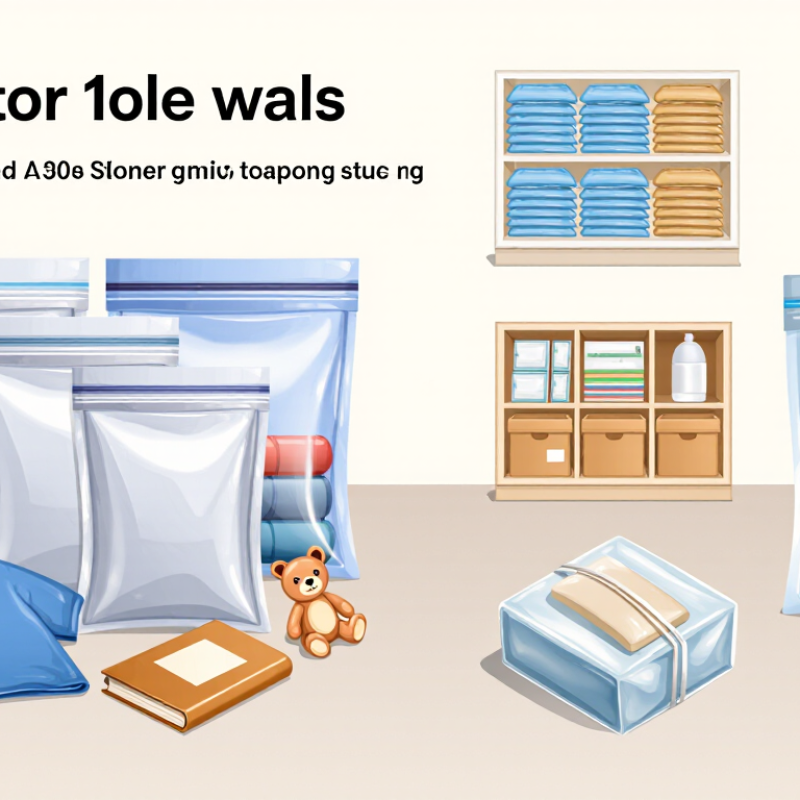
Why Choose Package Bags for Shipping? The answer begins with everyday shipping pressure: rising material costs, crowded storage rooms, and customers expecting clean, undamaged deliveries. Package Bags For Shipping offer a lightweight option for clothing, books, soft goods, and other items that do not need rigid boxes. Their flexible shape can reduce unused space. Less empty space often means simpler packing.

A practical packing process matters more than appearance alone. A durable bag should resist tearing, seal securely, and match the product’s weight and shape. During packing, workers can place a folded shirt or small accessory inside, press out excess air, and close the adhesive strip. The result is neat and quick. It also uses fewer packing steps. For moisture-sensitive products, an appropriate inner wrap may provide extra protection. Packaging specialists still recommend testing bags through handling, stacking, and movement before regular use.

They are not perfect. A thin bag cannot replace a protective box for fragile glass, sharp-edged equipment, or products needing strong impact resistance. Material choice also deserves careful review, especially when businesses discuss recycling or environmental benefits. Claims should match verified supplier information and local disposal options. That point is easy to overlook. Reliable shipping decisions balance cost, protection, presentation, and responsible material use. Package Bags For Shipping can support that balance, but only when selected for the product and tested under realistic delivery conditions.
Why Choose Package Bags for Shipping?

Parcel Scale: 161.8B Global Parcels in 2022 (Pitney Bowes)

Why Choose Package Bags for Shipping?

Parcel Scale: 161.8B Global Parcels in 2022

Global parcel traffic reached 161.8 billion shipments in 2022, according to the 2023 Global Parcel Shipping Index. This volume changes how businesses evaluate packaging. Every unnecessary gram travels through sorting hubs, trucks, aircraft, and delivery routes. Package bags are lightweight, flexible, and easy to store. They can fit clothing, documents, and other non-fragile items without wasting much space. That matters when thousands of parcels leave a warehouse each day.

A practical packing check takes seconds. Place the item inside, press out excess air, and seal the opening firmly. Flexible packaging can reduce empty space and simplify automated handling. However, it is not suitable for sharp, fragile, or crush-sensitive products. A rushed choice can still cause damage. Inner protection may be necessary, even when the outer bag looks strong.

Material selection also deserves attention. The OECD’s Global Plastics Outlook identifies packaging as the largest source of plastic waste, representing about 40% of plastic waste globally. Recycled-content or recyclable options can support better resource use, but claims require verification. Businesses should check local recycling systems, material labels, and supplier documentation. A package bag is not automatically sustainable because it uses less material. Its full impact depends on production, reuse potential, disposal, and transport efficiency.

Bag Types: PE, Paper, and Recycled-Film Mailers Compared

When choosing package bags for shipping, material affects protection, handling, and disposal. In small shipping trials, PE mailers stayed flexible after rain and resisted torn corners. They suit soft goods, clothing, and items needing moisture protection. Paper mailers feel sturdy and print-friendly, but exposed seams can soften during wet delivery. They work better for dry, crush-resistant products. Recycled-film mailers offer a useful middle path. They can reduce virgin plastic use while keeping flexible, lightweight performance. Check the stated recycled content carefully. “Recycled” does not always mean recyclable through local collection. No option is perfect.

Tips: Match the bag to the product, not the marketing claim. Test a filled sample with drop, squeeze, and short outdoor exposure. Test the seams. Measure the bag before ordering. Extra air creates movement, while tight packing can split seams. Ask suppliers for material specifications, recycled-content details, and disposal guidance. Keep records.

PE is often practical during wet weather, but it creates a plastic-recovery challenge. Paper may support easier fiber recycling, yet coatings, labels, or mixed materials can change that result. Recycled-film options require careful checking of thickness and sealing strength. In my experience, a thinner bag is not automatically greener if damage causes repacking. I also find paper looks sustainable, sometimes too quickly. The right choice depends on product weight, route conditions, and local waste systems. Reassess after real customer returns. Shipping data can expose weak assumptions.

Protection Proof: ASTM D4169 Tests Drops, Vibration, and Compression

Why Choose Package Bags for Shipping?

Protection Proof: ASTM D4169 Tests Drops, Vibration, and Compression

Package bags can reduce weight and storage space, but protection still depends on disciplined design. ASTM D4169 evaluates shipping containers through controlled distribution hazards. These hazards include drops, vibration, and compression.

A drop test checks whether seams, closures, and corners survive sudden impact. Even a short fall can split a weak seal or expose the product. Vibration testing imitates repeated movement inside trucks, railcars, or aircraft. It may reveal rubbing damage that a simple handling check misses. Compression testing applies stacked weight to the package. This matters when bags spend hours beneath heavier parcels.

The test plan is not one universal recipe. ASTM D4169 uses distribution cycles and assurance levels suited to different shipping conditions. A reliable evaluation should match the bag, contents, route, and expected handling environment. Testers should inspect torn film, open seals, scuffed surfaces, and product damage after each sequence. Record the load, orientation, conditioning, and failure point carefully.

Practical packing reviews often expose overlooked details. A sharp product edge may need an inner wrap. A loose closure may need a stronger sealing method. Overfilling can also weaken the package.

Not every failure means the bag is useless. It may show a design choice needs revision. No laboratory test perfectly copies real delivery. Weather, stacking habits, and handling can vary. That uncertainty deserves attention.

Waste Baseline: 14.5M Tons of U.S. Plastic Packaging in 2018 (EPA)

Why Choose Package Bags for Shipping?

The case starts with waste, not appearance. The U.S. EPA reported 14.5 million tons of plastic packaging in 2018. That amount entered the American municipal waste stream. A shipping bag can use fewer materials than a rigid carton. It also takes less warehouse space before filling. Small savings multiply across thousands of parcels. Still, a bag is not automatically better.

The EPA data shows why material choices deserve closer attention. The OECD’s Global Plastics Outlook estimates that only 9% of global plastic waste was recycled in 2019. Flexible packaging often creates sorting challenges. Some bags also need multiple layers for strength, moisture protection, or tamper resistance. Those layers can complicate recovery. The honest question is not, “Is this bag light?” It is, “What happens after delivery?” Shipping teams should compare weight, recycled content, durability, and local collection options. Real packing trials matter more than attractive claims.

Tips: Select the smallest suitable bag. Test it with actual products and rough handling. Record damage rates, material weight, and return losses. Ask recyclers whether the format is accepted locally. A thinner bag may fail. A stronger bag may prevent replacement shipments. The best choice can be imperfect. Measure it anyway.

Circularity: EU Targets 55% Plastic-Packaging Recycling by 2030

Why Choose Package Bags for Shipping?

Circularity is changing how shipping bags should be designed. The European Union targets a 55% plastic-packaging recycling rate by 2030. Yet Eurostat reported an EU rate of about 42% in 2022. The gap is substantial. It cannot be solved by collection systems alone.

Package bags can reduce material use compared with many rigid formats. Their light weight may also lower transport emissions per shipment. However, recyclability depends on construction. A mono-material bag, clear labeling, and easily removable closures support better sorting. Mixed films, metal layers, and permanent adhesive labels create problems at recycling facilities.

Design matters greatly.

The OECD reported that only 9% of global plastic waste was recycled in 2019. That figure exposes a practical weakness: calling packaging “recyclable” does not guarantee recycling. In warehouse testing, a bag should open cleanly, protect contents, and avoid unnecessary layers. A thin film that tears during delivery is not a circular solution. It simply creates more waste.

The European Environment Agency also emphasizes stronger packaging design and improved waste systems. Recycled content can help maintain demand for recovered plastics, but supply quality remains uneven. I may be too optimistic about consumer sorting. Clear instructions still compete with hurried disposal, especially after a package arrives wet or damaged. Shipping bags therefore need measurable material choices, realistic end-of-life guidance, and evidence from local recycling infrastructure.

Why Choose Package Bags for Shipping?

Circularity: The European Union is targeting a 55% plastic-packaging recycling rate by 2030.

The EU plastic-packaging recycling rate reached 42.7% in 2022. Reaching the 55% target by 2030 will require more recyclable packaging designs, efficient collection systems, and higher-quality recycling.

Source: Eurostat, packaging waste statistics; EU 2030 plastic-packaging recycling target.

FAQS

Why are package bags useful for shipping?

They are lightweight, flexible, and easy to store. Bags suit clothing, documents, and other non-fragile items. They also reduce empty space during transport. That matters when shipments reach 161.8 billion parcels globally.

Which products should use package bags?

Use bags for soft, crush-resistant products with few sharp edges. Clothing and documents usually fit well. Avoid fragile glass, pointed tools, or easily crushed items. Add inner protection when necessary.

How should a package bag be packed?

Place the product inside and press out excess air. Keep the contents snug, but do not force them. Seal the opening firmly and check the seams. A loose fit can cause movement.

Are plastic bags suitable for wet delivery routes?

Flexible plastic bags can resist rain and protect soft goods. They often perform better during wet weather. However, plastic recovery can be difficult locally. Practical, but not automatically sustainable.

Are paper mailers better than plastic bags?

Paper mailers feel sturdy and support clear printing. They work best for dry, crush-resistant products. Wet seams may soften during delivery. Paper can look greener than it really is.

What are recycled-film mailers?

Recycled-film mailers use recovered plastic content instead of only new material. They can remain flexible and lightweight. Check the actual recycled percentage and sealing strength. “Recycled” does not always mean locally recyclable.

How can a business test a package bag?

Fill a sample with the real product and inspect every seam. Try a short drop, gentle squeezing, and brief outdoor exposure. Check for tearing, water entry, and product movement. Keep the test records.

Does using less material guarantee sustainability?

No. A thinner bag may tear and require repacking. Sustainability also depends on production, reuse, transport, and disposal. Local recycling systems matter greatly. Some assumptions may need revision.

Conclusion

Package Bags For Shipping offer a practical balance of protection, efficiency, and sustainability for modern parcel delivery. With 161.8 billion parcels shipped globally in 2022, packaging must be lightweight, flexible, and reliable. PE mailers provide water resistance and durability, paper mailers offer a fiber-based alternative, and recycled-film mailers can reduce reliance on newly produced plastic. Each material has different strengths, so the best choice depends on product weight, moisture exposure, handling conditions, and disposal options.

Performance should also be evaluated through structured testing, including drops, vibration, and compression under recognized procedures such as ASTM D4169. At the same time, packaging waste remains a major concern, with the United States generating 14.5 million tons of plastic packaging waste in 2018. Choosing appropriately sized mailers, using recycled content, and supporting recovery systems can help reduce waste. As the European Union works toward recycling 55% of plastic packaging by 2030, package design is increasingly important to a more circular shipping system.

Madeline

Madeline

Madeline is a dedicated marketing professional with a wealth of expertise in our company's core offerings. With a keen understanding of the industry, she brings a unique perspective to her role, consistently delivering high-quality content that highlights the superior aspects of our products. As......